











Data jobs are some of the most talked-about careers in tech, and two titles come up again and again: Data Analyst and Data Scientist. They work with the same raw material, data, but they answer different questions and need different skills.
What a Data Analyst does
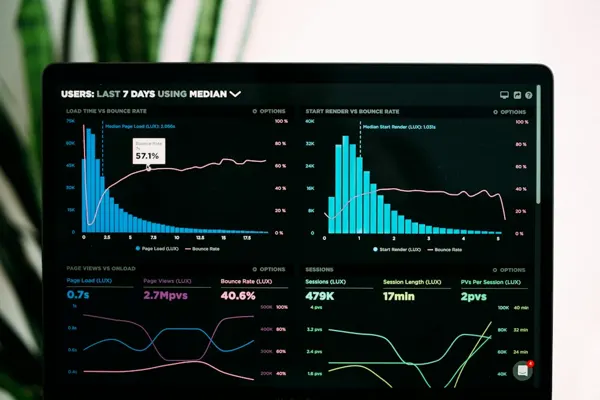
A data analyst turns data into answers the business can act on. Typical questions: Which products sold best last quarter? Where are customers dropping off? Analysts pull data with SQL, clean and explore it with Excel or Python, and present findings in dashboards and reports with tools like Power BI or Tableau.
- Core skills: SQL, Excel, Python (Pandas), data visualization, business communication.
- Typical tools: SQL databases, Power BI, Tableau, Python, Jupyter.
- Typical titles: Data Analyst, BI Analyst, Reporting Analyst.
What a Data Scientist does
A data scientist builds models that predict or classify. Typical questions: Which customers are likely to leave? What will demand look like next month? Data scientists use statistics and machine learning in Python to train, evaluate and explain models.
- Core skills: Python, statistics and probability, machine learning, data cleaning, model evaluation.
- Typical tools: Python, NumPy, Pandas, Scikit-learn, Matplotlib, Seaborn, Jupyter.
- Typical titles: Data Scientist, Machine Learning Analyst, Junior Data Scientist.
The key differences
- Focus: analysts explain what happened and why; data scientists predict what will happen.
- Math: analysts need descriptive statistics; data scientists need deeper statistics and machine learning.
- Coding: analysts mostly use SQL and some Python; data scientists code in Python every day.
- Entry point: analyst roles are usually easier to get as a first data job.
Which should you learn first?
For most people, start as a data analyst. SQL, Python for analysis and dashboarding are the foundation of every data career, and they lead to jobs sooner. Once you are comfortable, adding statistics and machine learning moves you toward data science. If you already have a strong math or programming background, you can go straight into data science.
How to get started
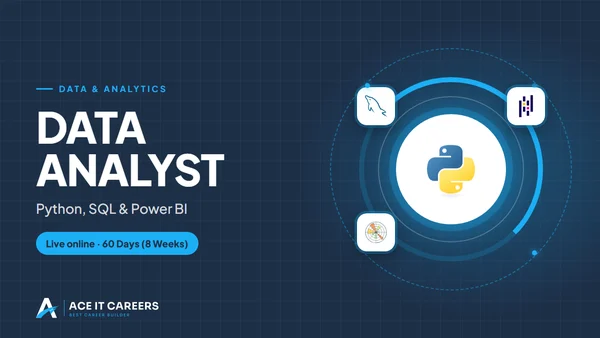
Our Data Analyst program covers Python, SQL and Power BI in 60 days, and our Data Science with Python course covers statistics, machine learning and an end-to-end project. Download the free SQL and data analyst interview questions guide, or let the course finder recommend a path for you.